
Canada is expanding how it shows up in the Arctic—militarily, diplomatically, and through dual-use infrastructure—by bundling new funding with projects that extend reach, sensing, and connectivity. The shift reflects an intent to move from episodic northern “visits” to a more persistent footprint, with sovereignty treated as an operational posture tied to infrastructure, partnerships, and procurement choices.
The centre of gravity is Budget 2025’s proposed C$81.8 billion over five years (cash basis, starting 2025–26) to rebuild, rearm, and reinvest in the Canadian Armed Forces (CAF). In the North, the logic is straightforward: presence is expensive, distance is unforgiving, and gaps in communications and surveillance can’t be “surged” away during a crisis.
Hardware first: radar and Arctic communications
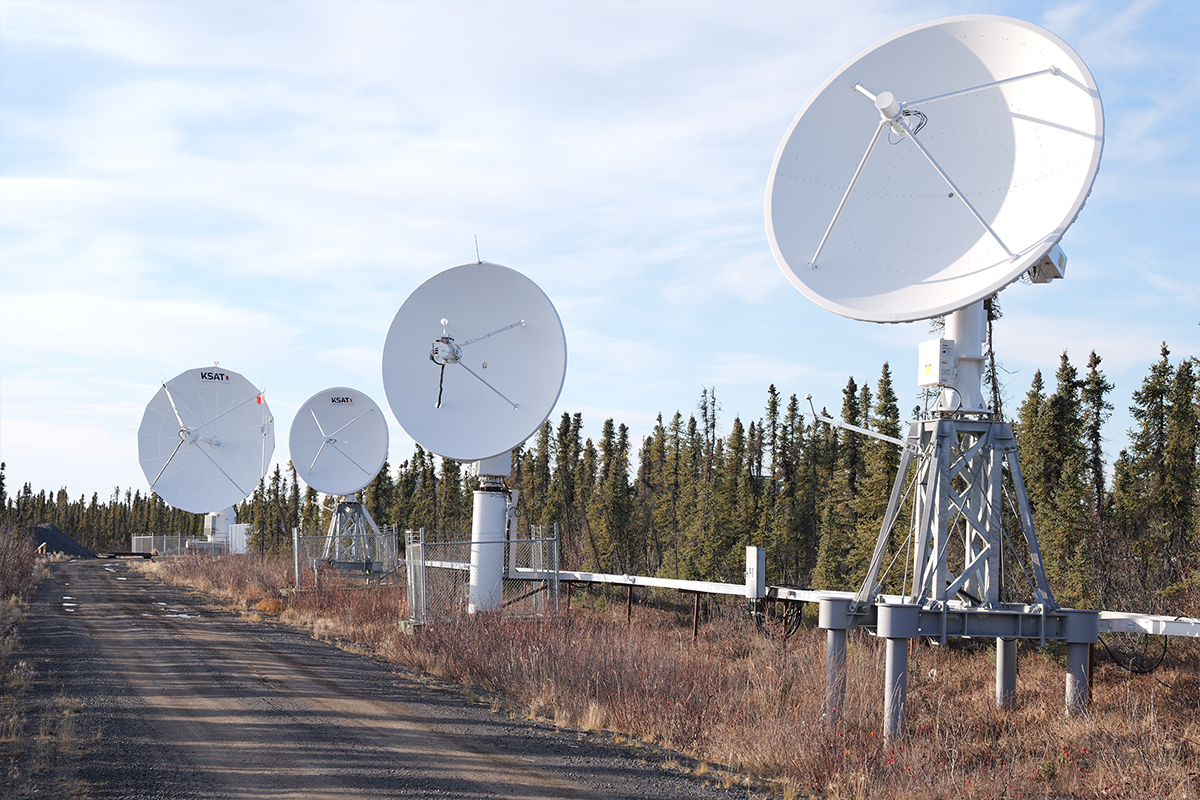
A core early-warning step is the selection of initial sites for Canada’s Arctic Over-the-Horizon Radar (A-OTHR). National Defence has identified a transmit site in Kawartha Lakes, Ontario, and a preliminary receive site in Clearview Township, Ontario—part of a broader modernization arc intended to increase detection coverage and warning time, with initial operational capability described by government as targeted for 2029.
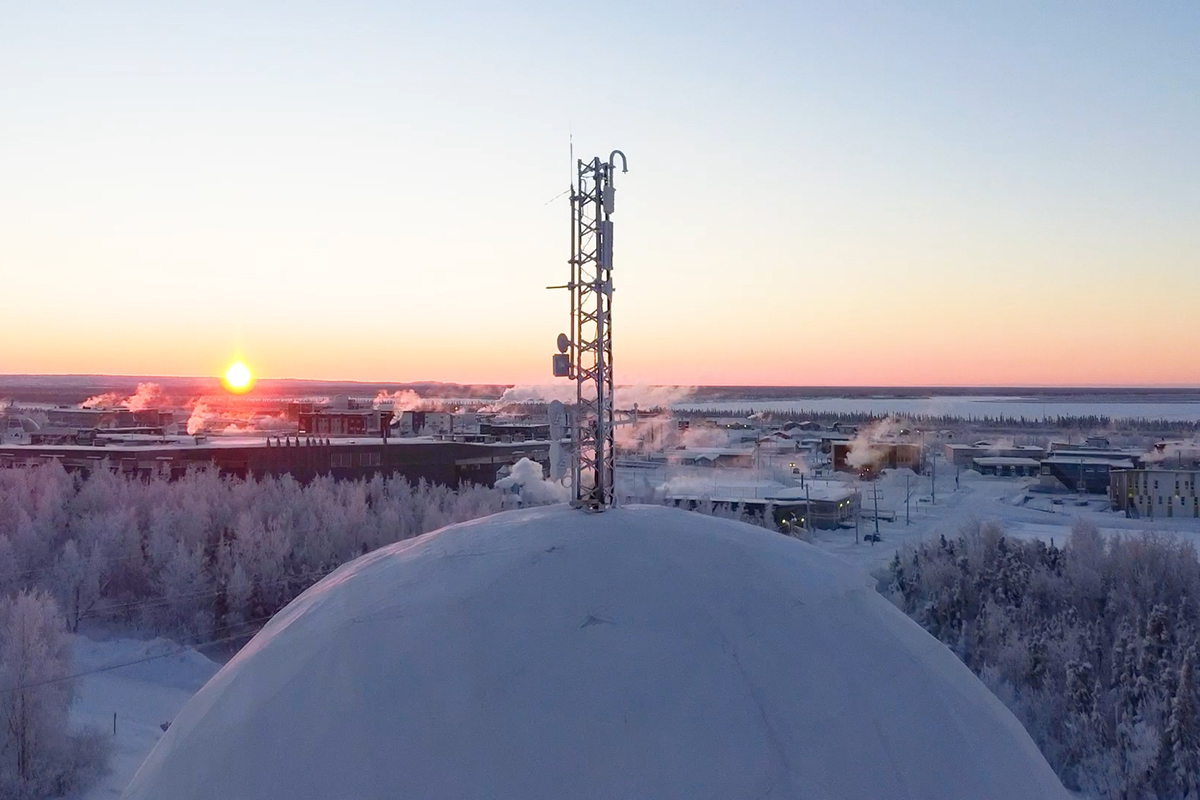
Ottawa is also moving to reduce High North communications “dead zones” that complicate command-and-control and daily operations. A recent partnership involving the Government of Canada, Telesat, and MDA aims to deliver an Arctic-focused military satellite communications capability—an enabling layer for everything from routine patrols to emergency response.
Diplomacy moves north
Canada’s updated Arctic Foreign Policy places “pragmatic diplomacy” alongside sovereignty, governance, and a more inclusive approach to Arctic engagement. The intent is to align foreign policy tools with a region where security, trade, science, and infrastructure increasingly overlap.
That intent is being operationalized through new diplomatic nodes. Canada has announced plans to open consulates in Nuuk, Greenland, and Anchorage, Alaska—moves framed as strengthening presence and relationships as Arctic attention intensifies.
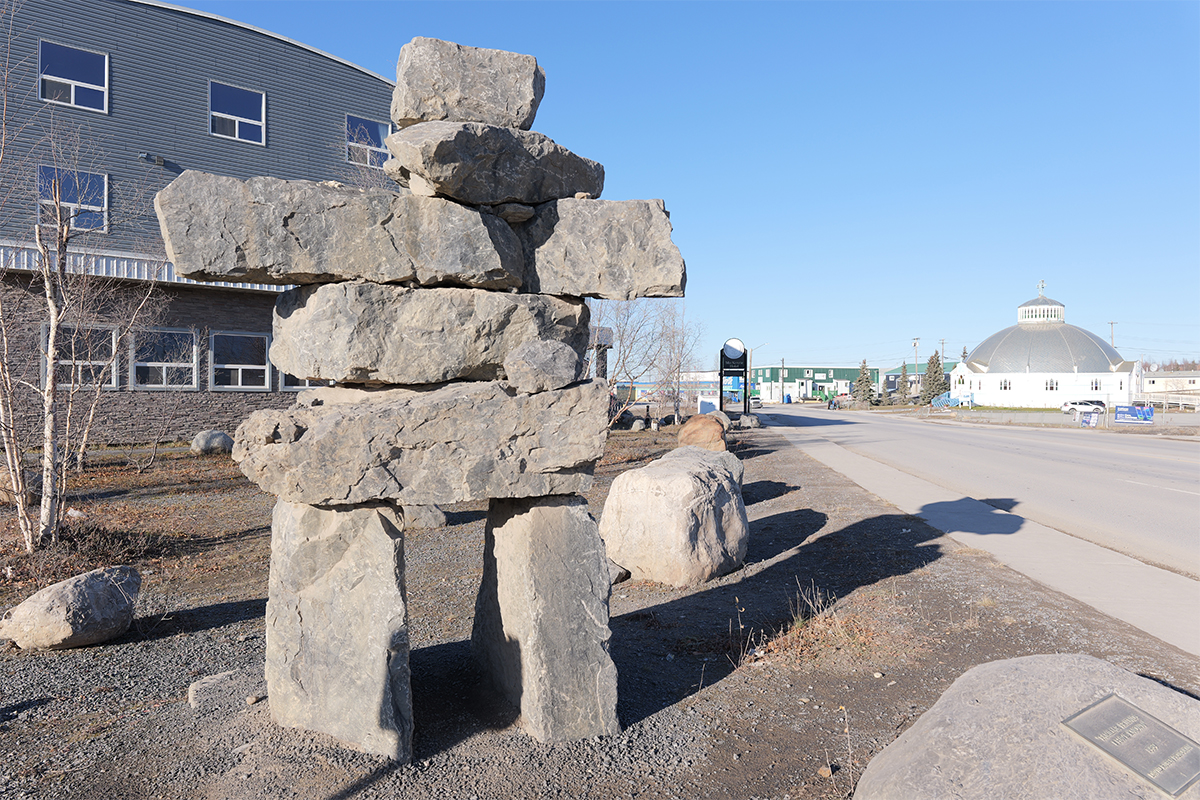
Ottawa has also re-established an Arctic ambassador role, appointing an Inuk leader from Iqaluit—positioning Indigenous leadership as a source of legitimacy and practical knowledge in international Arctic forums.
Dual-use infrastructure and procurement signals
Budget 2025 links northern transportation infrastructure to national strategy. The federal government has announced a C$1 billion Arctic Infrastructure Fund over four years for airports, seaports, and all-season transportation links designed to serve both community needs and defence mobility. The policy bet is that resilient logistics reduce response times for disasters and make year-round operations more feasible.
Procurement politics are part of the same package. A “Buy Canadian” policy is being advanced to tilt major federal contracts toward domestic suppliers in selected sectors, including defence and infrastructure—an economic-security response to a more volatile trade environment.
Capability gaps: submarines and uncrewed systems
At sea, Canada has launched the process to engage industry on acquiring up to 12 conventionally powered, under-ice capable submarines—an early procurement step that would represent one of the country’s largest defence acquisitions and underscores under-ice access as a sovereignty and deterrence function.
In parallel, allied interest is rising in uncrewed systems that can reliably operate in Arctic conditions. The practical problem is not novelty but survivability: cold, icing, distance, and sparse basing quickly turn promising prototypes into unreliable field tools.
Constraints that don’t move with budgets
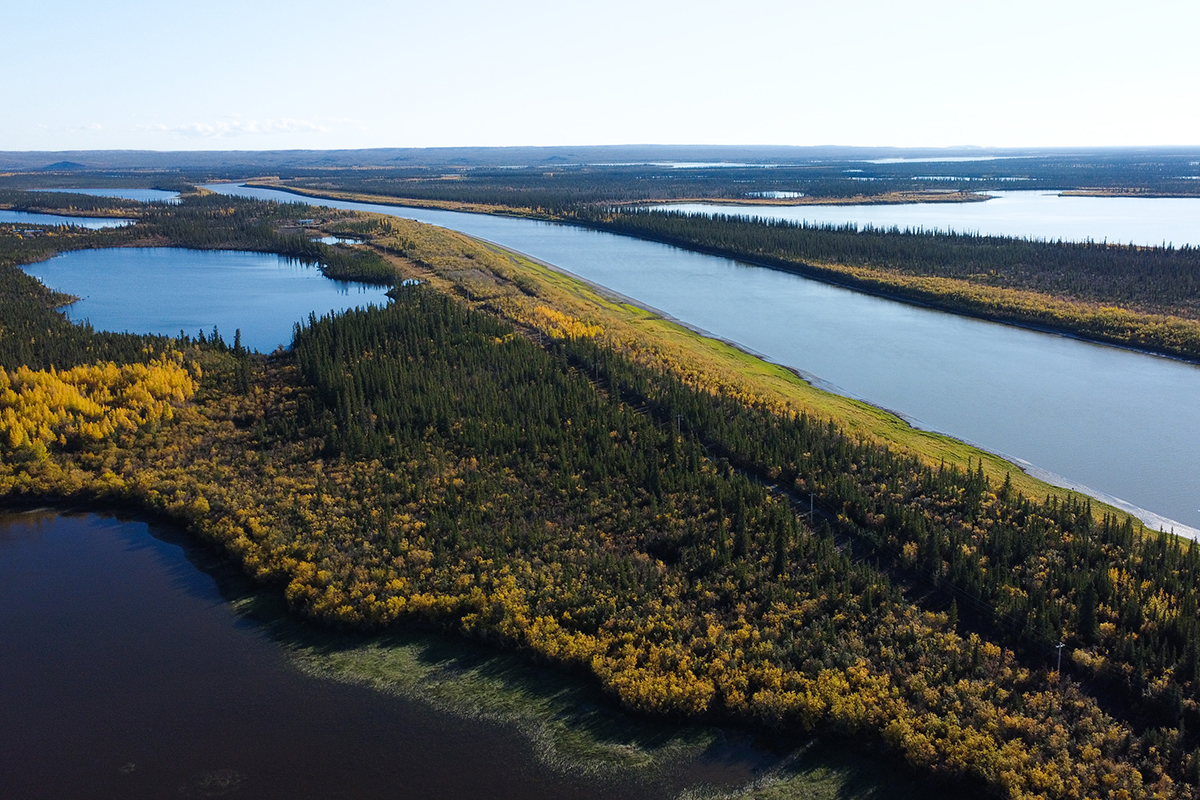
Even with new funding, “more presence” runs into northern realities: limited deepwater port options, long maintenance tails, strained aviation and sealift capacity, and a short construction season. The credible version of persistent presence is therefore likely to be layered—better sensors, better communications, stronger partnerships with northern and Indigenous governments, and selective infrastructure upgrades—rather than a single dramatic basing announcement.
- Long-range sensing increases warning time but adds governance, siting, and environmental assessment workload.
- Satellite communications reduce friction for operations, but resilience depends on redundancy and protected links—not one constellation.
- Dual-use infrastructure can deliver daily benefits, but prioritization decisions will be contested: which corridors, which ports, and who governs access.
Second-order effects
Canada’s Arctic posture is becoming more visibly “whole-of-state”: defence investments are being matched with diplomatic expansion and industrial policy. The near-term question is less whether Ottawa can announce more—and more is already on the table—than whether it can execute procurement and infrastructure delivery at northern speed, with Indigenous decision-making treated as a gate, not a checkbox.
What to watch
- Whether A-OTHR timelines hold through assessment, contracting, and local acceptance.
- How quickly Arctic satcom translates into deployable capability and redundancy plans.
- The staffing and mandate of the Nuuk and Anchorage consulates—substance versus symbolism.
- Early project selection criteria for the Arctic Infrastructure Fund and how co-governance is structured.
- Signals on submarine requirements (range, under-ice performance, basing) and whether Ottawa commits to a firm fleet size.