
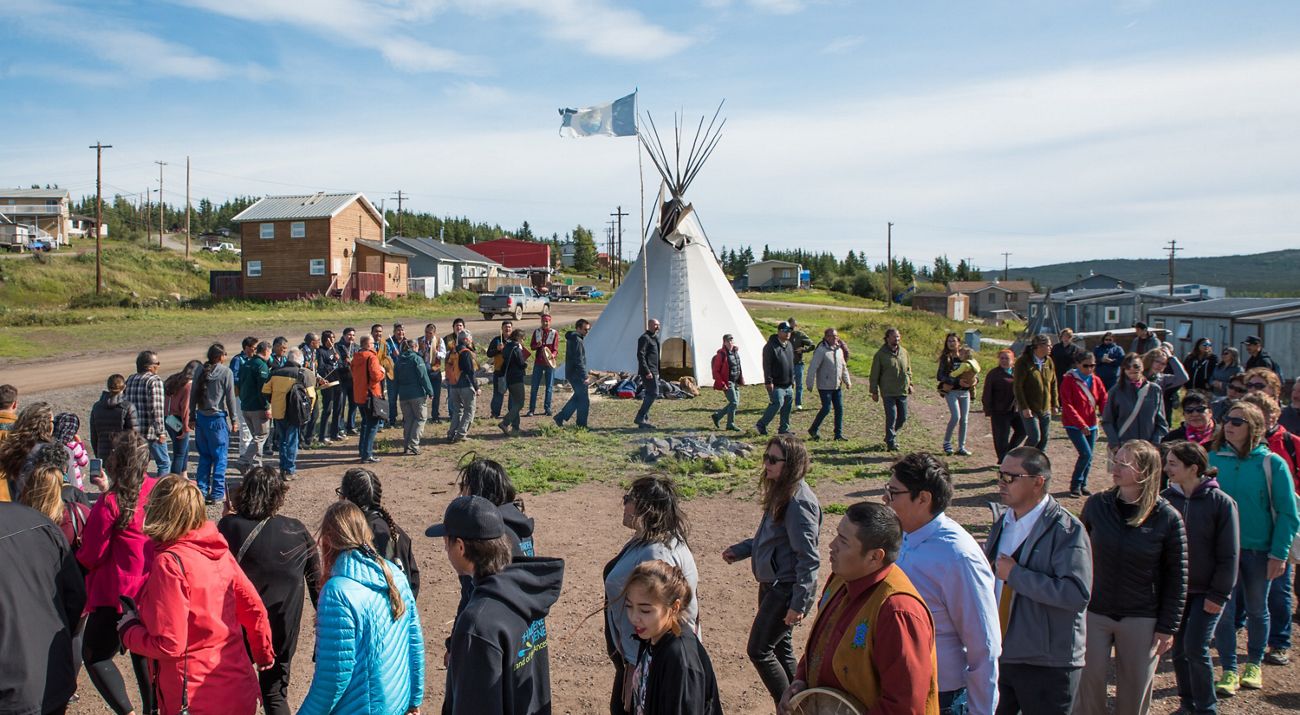
Resilience in the Arctic is not defined solely by physical infrastructure—it is deeply rooted in the strength of social relationships and community support systems. Across Canada’s North, families, Elders, youth, and local organizations work together to maintain cultural continuity and ensure community stability during periods of rapid change.
This publication examines the social infrastructures often overlooked in national discussions: mentorship traditions, intergenerational knowledge transfer, community feasts, and collective land-based practices. These elements provide the emotional and cultural foundation that allows communities to thrive despite economic uncertainty and environmental disruption.
As the Arctic faces increasing social and environmental pressures, preserving and strengthening these social bonds becomes one of the most strategic forms of long-term resilience.